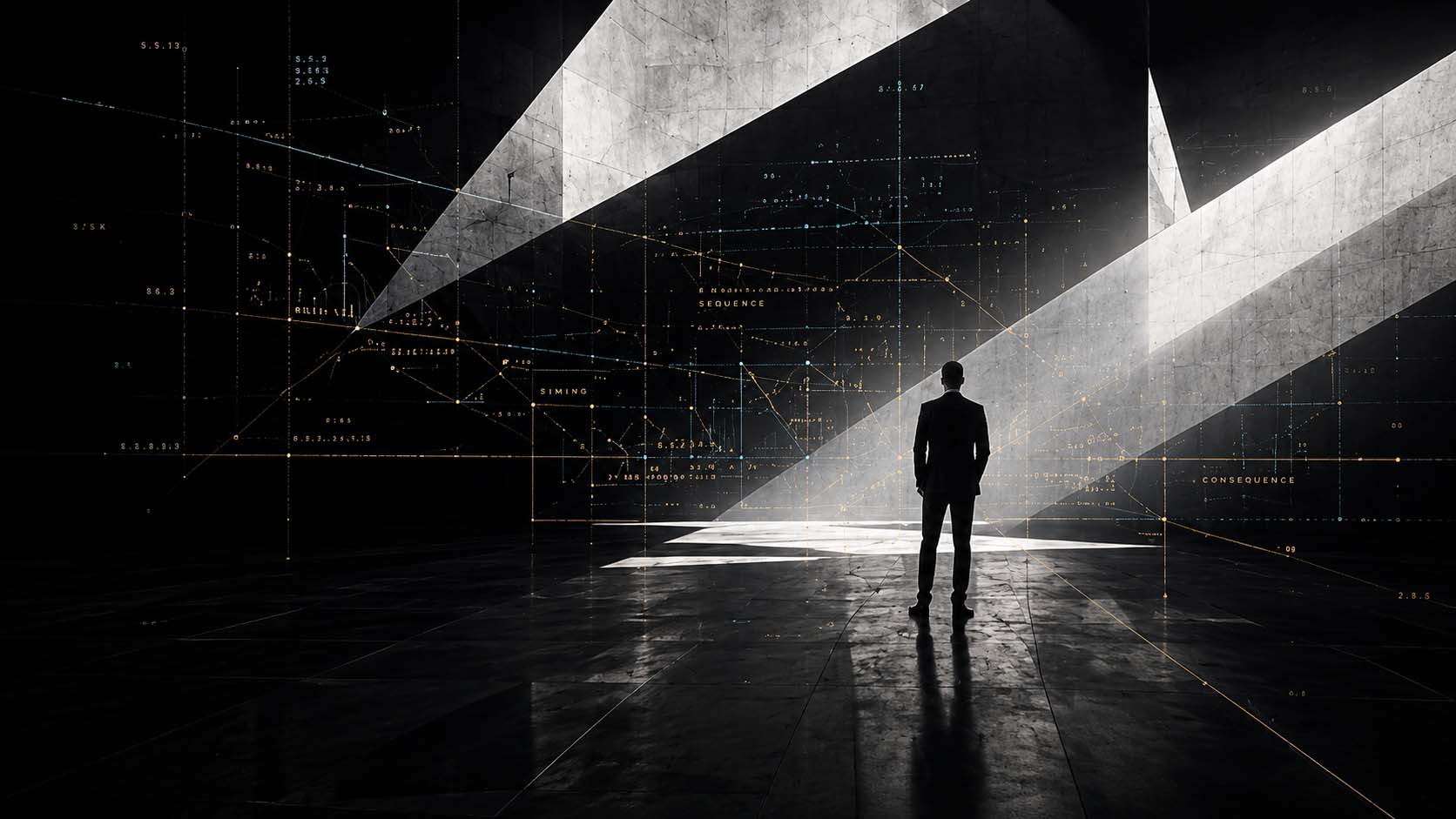
A COLLECTION CAN CHANGE THE QUESTION.
One Analysis Can Tell a Story.
An individual article captures a moment.
- A leader.
- A decision.
- A competition.
- A transition.
- A period of pressure.
But sometimes Chris returned to the same organisation, event or wider story from a different direction.
And then again. Different people. Different circumstances. Different questions.
Eventually, the more interesting question was no longer simply what each analysis showed. It became: What happens when we put them together?
That is where the Case Studies begin.
WHY CASE STUDIES?
The Human Futurist Research collections organise analysis around fields of inquiry.
The Human Futurist Research collections organise analysis around fields of inquiry.
Case Studies do something different.
They follow a subject, organisation, event or sustained analytical story across multiple pieces of work.
That distinction matters.
Because when separate analyses are viewed together, we can start asking different questions:
- Do certain themes recur?
- Do different people encounter similar pressures?
- Does the context change the pattern?
- Are there meaningful contrasts between one decision period and another?
- Does something that appeared isolated begin to look connected?
And perhaps most importantly:
What can we see collectively that we could not see individually?
Case Studies are where those questions are explored.
Not because every sequence produces a predictable result. But because understanding the sequence may change what becomes visible before the consequence arrives.
THE CASE STUDIES
. . .
These are not collections built because several articles happen to mention the same subject.
Each exists because the accumulated analysis creates a larger question worth examining.
APPLE
One Company. Different Leaders. Different Decisions.
Apple is usually told through its products, its founders and one extraordinary corporate turnaround.
The Human Futurist analysis approached it differently.
Across work involving Steve Jobs, Steve Wozniak, Ronald Wayne, John Sculley, Gil Amelio and Tim Cook, different parts of the organisation’s leadership story began to sit alongside one another.
- Founding.
- Exit.
- Fit.
- Leadership.
- Crisis.
- Consequence.
The result is not another history of Apple.
It is a chance to ask what becomes visible when the same organisation is examined through different people, different leadership periods and different moments of consequence.
WHY THIS CASE MATTERS
Apple provides something unusually valuable for longitudinal analysis: one organisation passing through radically different leaders, pressures, decisions and periods of transformation.
- The company remains constant.
- Much of the human context does not.
- That makes the differences interesting.
THE LARGER QUESTION
What changes when we stop examining Apple’s leaders separately and begin examining the leadership story they created together?
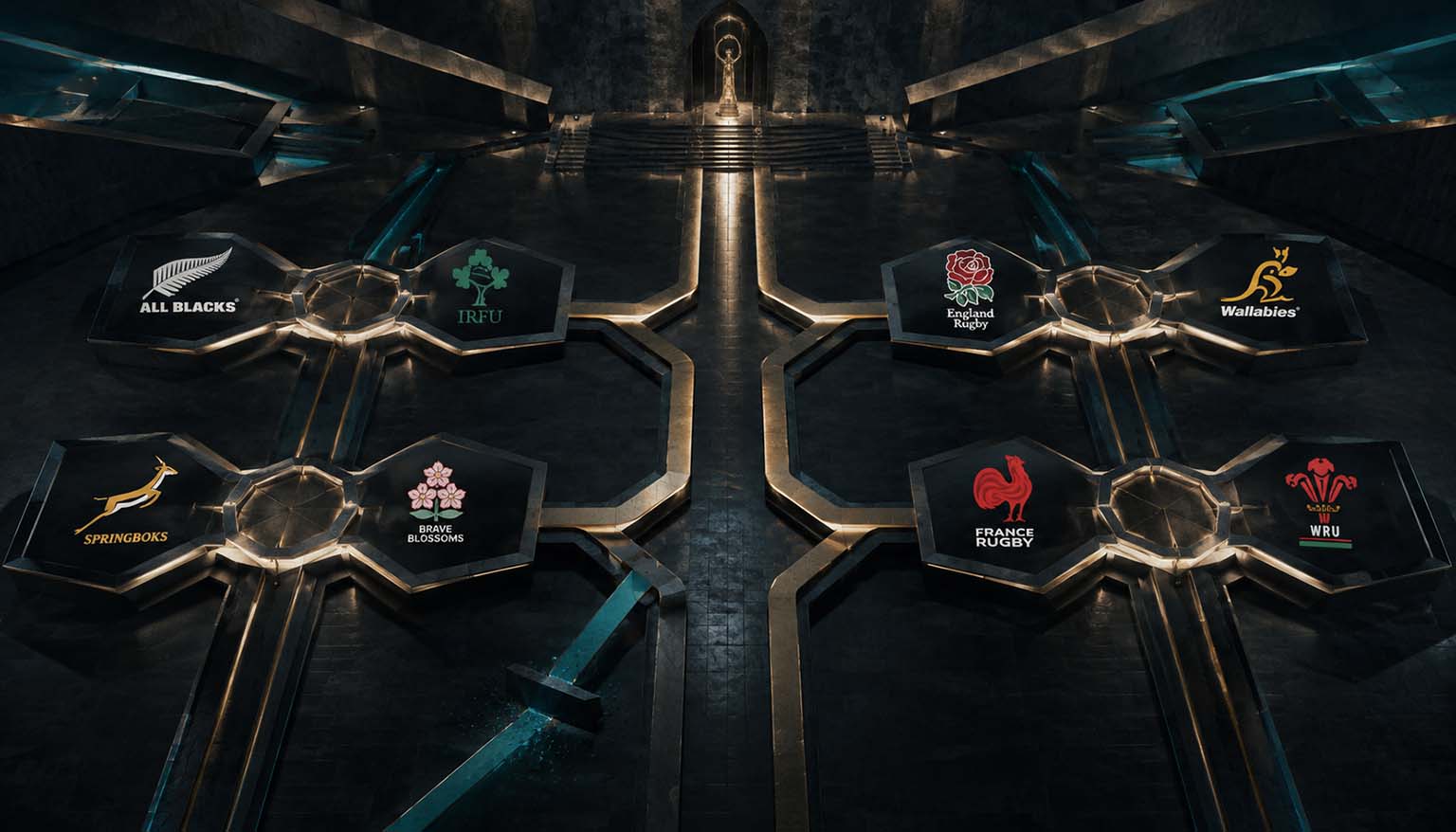
RUGBY WORLD CUP 2019
One Tournament. Multiple Pressure Points.
A major sporting tournament compresses decision-making, preparation, expectation and performance into an unusually concentrated period.
The 2019 Rugby World Cup created exactly that environment.
Across a series of Human Futurist analyses, different teams, performances and decision points could be considered not simply as separate sporting stories, but as parts of the same competitive landscape.
The interest is not in retrospectively explaining who won.
It is in examining the conditions surrounding performance when pressure, timing and consequence all intensify at once.
WHY THIS CASE MATTERS
Elite sport gives us something everyday decision-making rarely does:
- A defined period, visible outcomes and multiple participants operating under extreme pressure at the same time.
That creates an unusual opportunity to compare.
THE LARGER QUESTION
When several teams enter the same tournament under different conditions, what becomes visible when their individual analyses are considered together?
Two Very Different Stories.
One Much Bigger Question.
Apple and the 2019 Rugby World Cup could hardly appear more different.
One unfolds across years of leadership and organisational change.
The other compresses pressure, performance and decision-making into a matter of weeks.
But that difference is useful.
Case Studies are not intended to prove that every situation behaves the same way.
Quite the opposite.
They allow us to examine questions of leadership, pressure, timing, performance, decision, context and consequence across very different environments.
And that raises a broader Human Futurist question:
Which patterns travel, and which belong entirely to the circumstances that created them?
WHAT BECOMES VISIBLE?…
Bringing related analysis together does not mean forcing the pieces to agree.
It allows us to look for four things that are much harder to see in isolation.
The differences can be as informative as the similarities.
. . .
FROM STORY TO DECISION INTELLIGENCE
Apple leadership and international rugby are very different stories.
- But the questions beneath them travel further.
- How do people operate under pressure?
- What changes around significant transitions?
- When does recurrence deserve attention?
- How much can context alter what appears to be a pattern?
These are not questions confined to chief executives or elite athletes.
They sit inside leadership, strategy, performance and consequential decision-making everywhere.
Precision Over Prediction.
Clarity Over Noise. Foresight Over Reaction.
The purpose is not to make every connection significant.
It is to become more precise about which relationships may deserve attention.
Case Studies give us somewhere to test that principle against connected bodies of analysis rather than isolated moments.
Not to tell the reader what the evidence must mean. But to ask better questions of what is actually there.
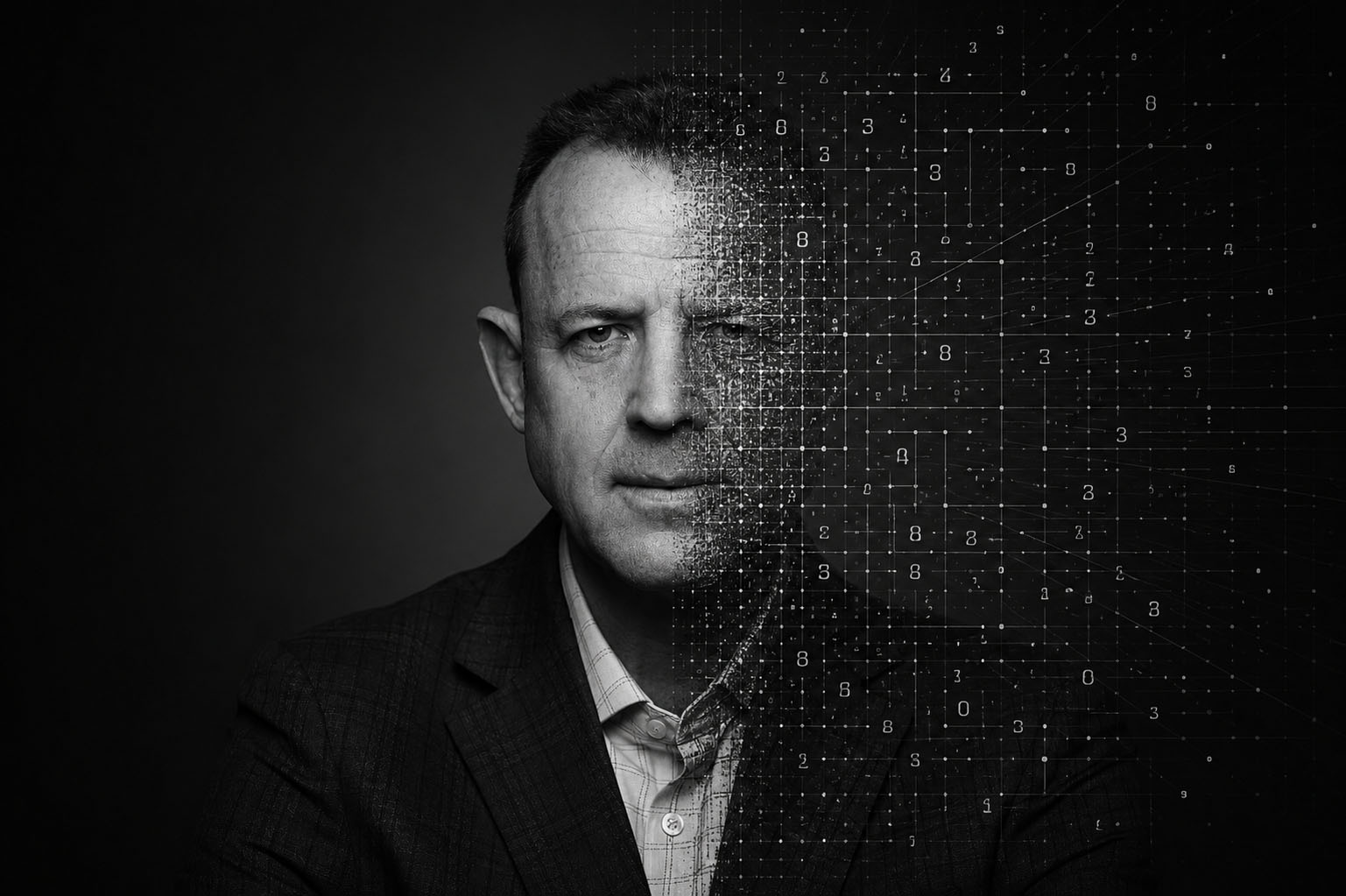
CLARITY BEFORE CONSEQUENCE.
The IMB doesn’t make the decision. It can change what you see before you make it.
Seeing what separate analysis can miss.
Connected analysis can sometimes reveal a relationship, sequence, contrast or pressure point that was difficult to see when every piece was considered separately.
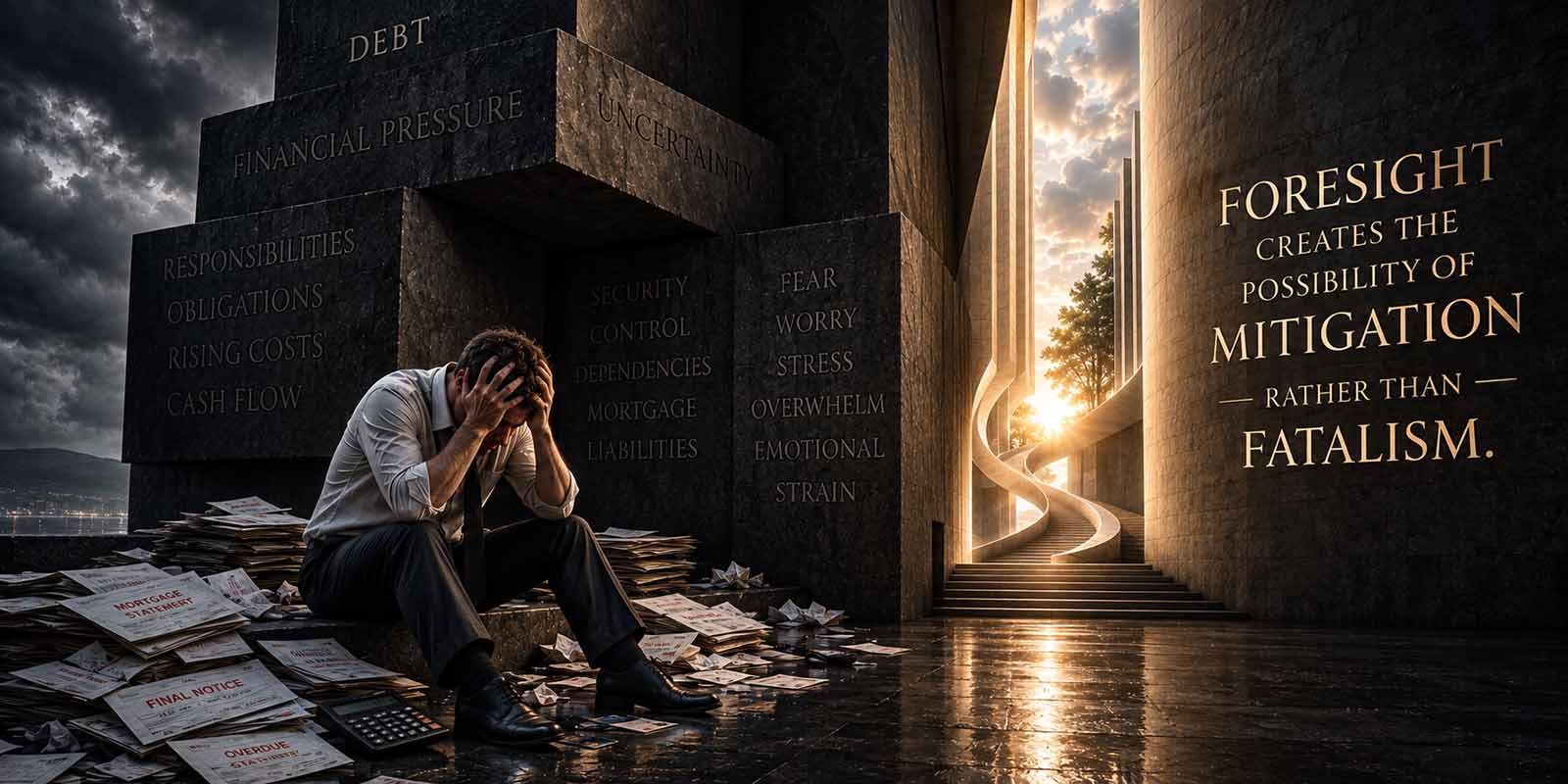
And that can matter. Because better decisions do not always begin with knowing more. Sometimes they begin with seeing differently
EXPLORE THE CASE STUDIES?
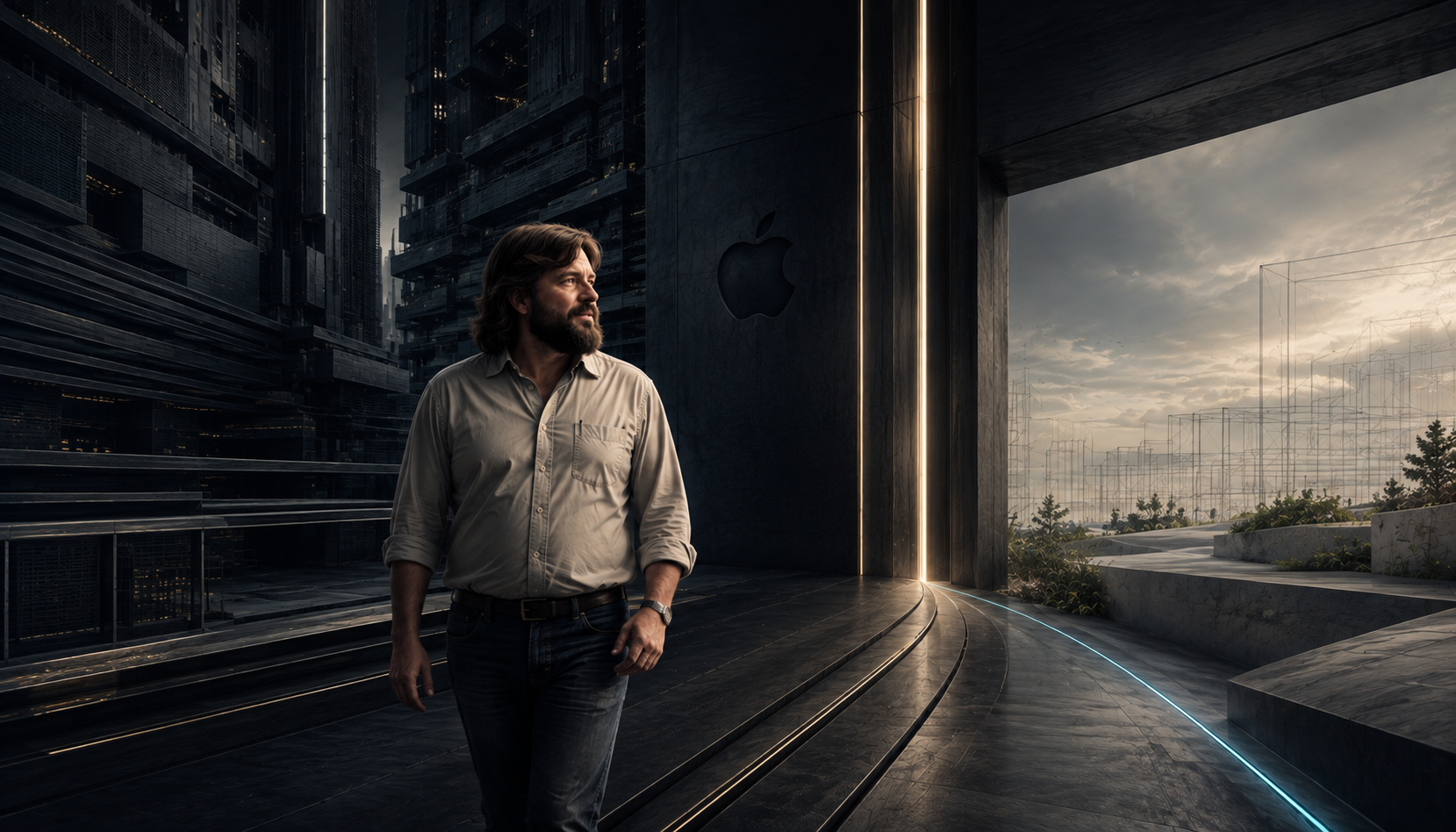
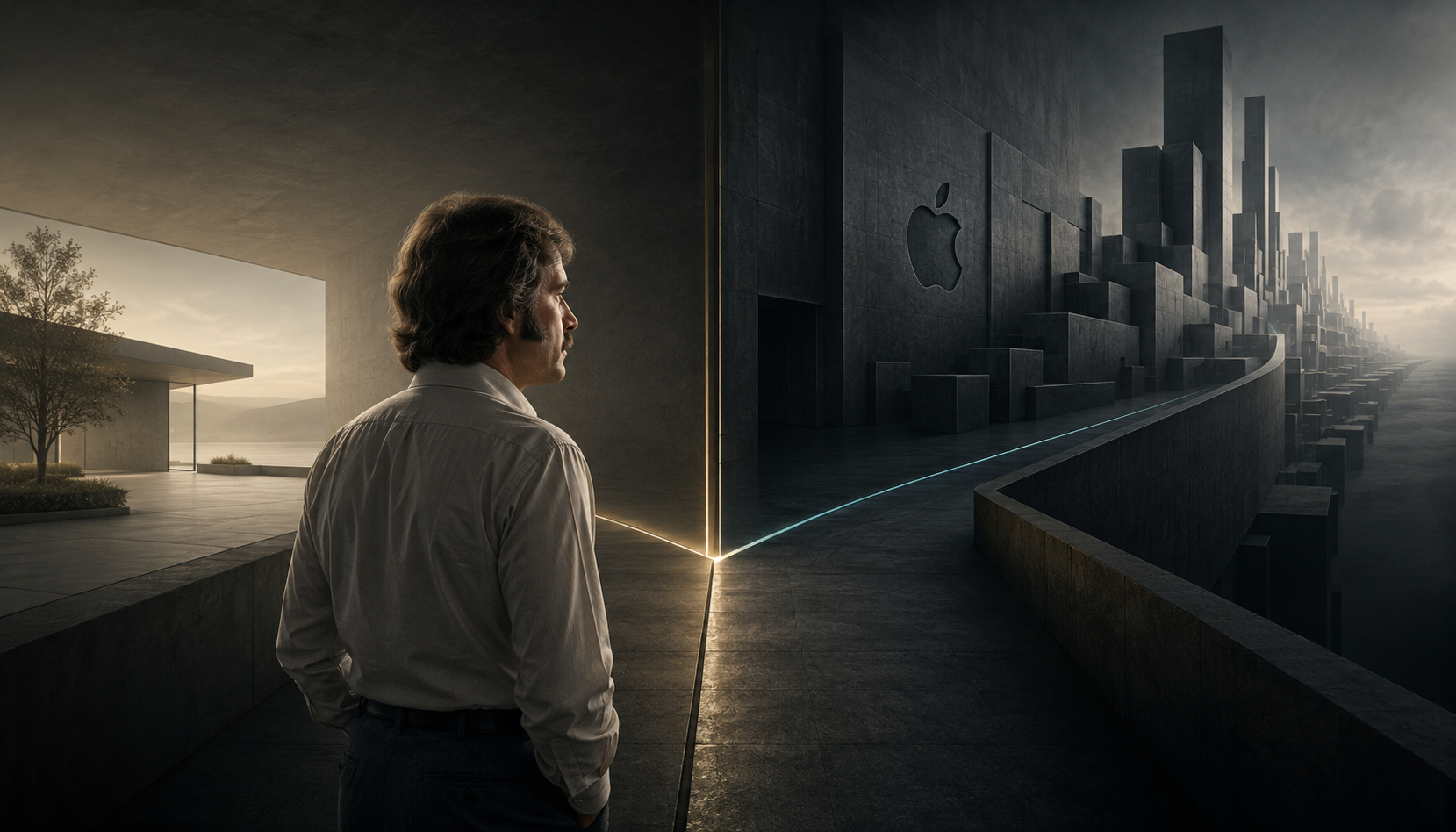
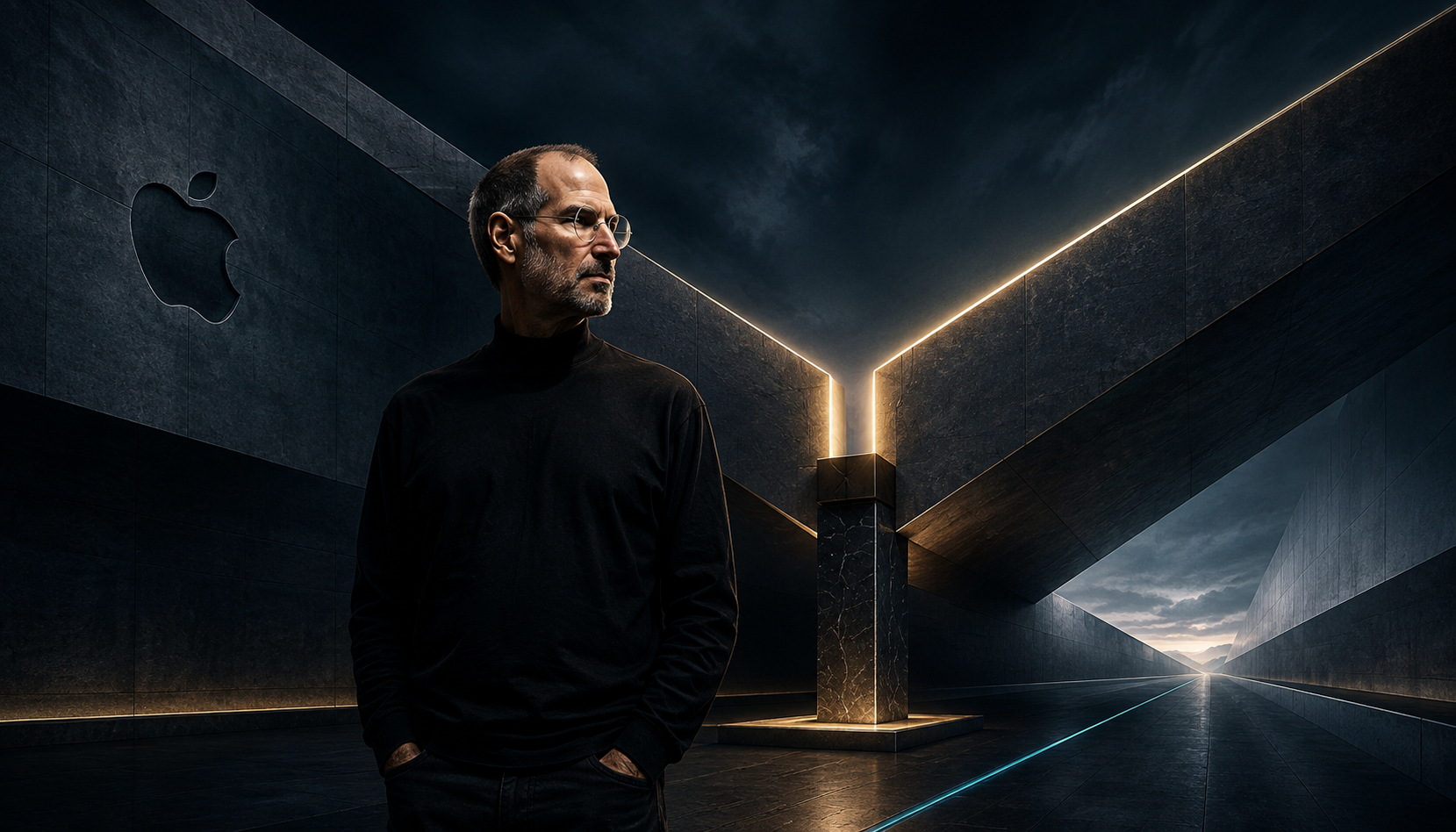
APPLE
Leadership across founding, transition, crisis and consequence.
Explore how different Human Futurist analyses of Apple’s founders and chief executives create a wider organisational leadership story.
COMING SOON


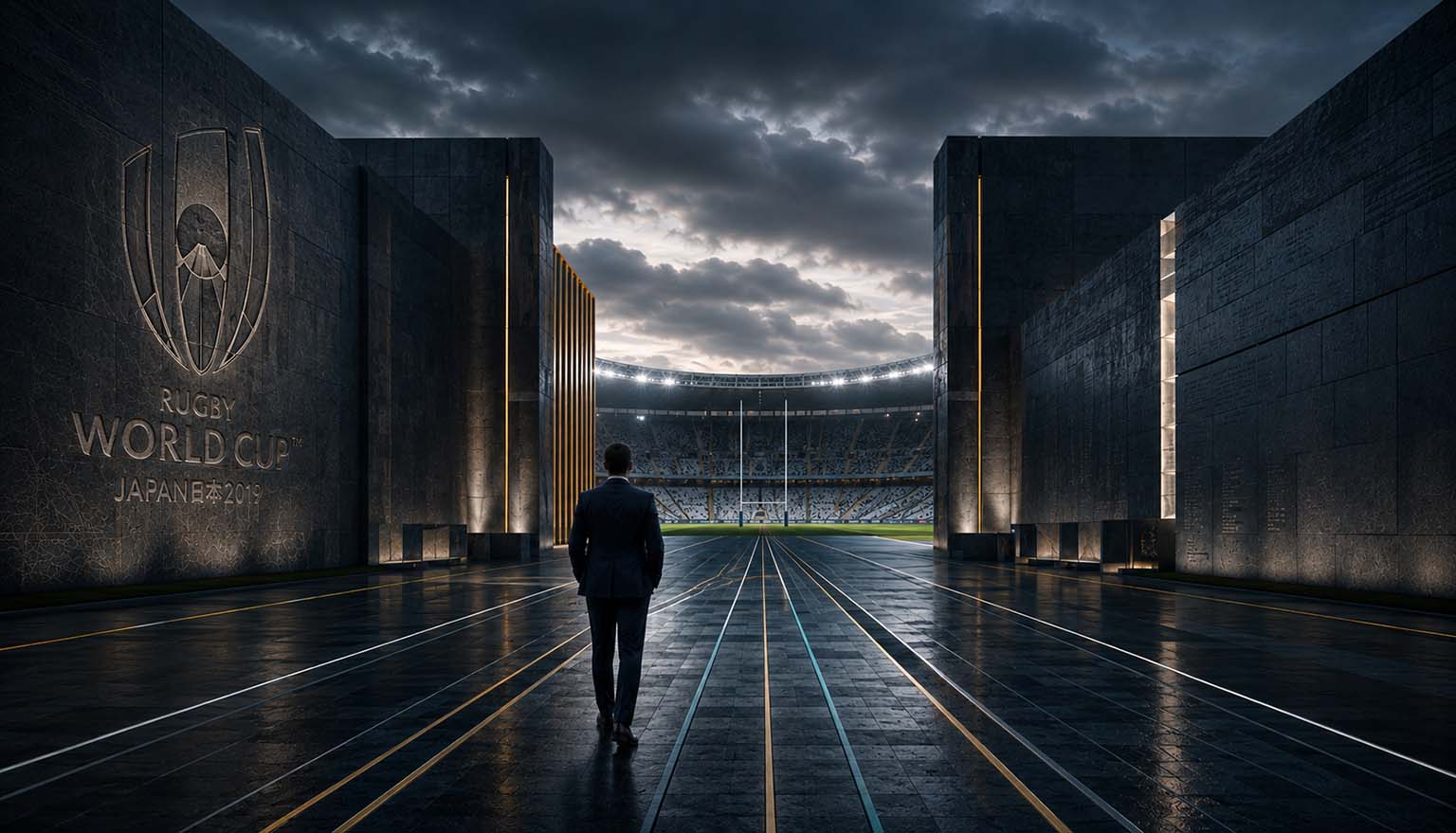
2019 RUGBY WORLD CUP
Performance when pressure becomes consequence.
Explore connected analysis across one tournament, multiple competitors and a concentrated period of elite sporting pressure.
From understanding decisions to informing them.
Beyond the Research
The Business & Leadership archive examines consequential decisions after they have happened.
The Intelligent Mathematical Blueprint and Private Advisory take the underlying Human Futurist thinking into a different environment: helping leaders examine the circumstances surrounding decisions that have yet to be made.